
Soup 404, November 6, 2026
| Soup | 404 |
|---|---|
| Permalink | Permalink |
| Date | 2026-11-06 |
| Twitter/X | Read |
| Twitter/X Quotes | View |
| Twitter/X Latest Comments | View |
| Twitter/X Thread | Thread |
| Thread Reader App | Read |
| Thread Reader PDF | Read |
| Bluesky | Read |
| Bluesky Quotes | View |
| Read Bluesky Thread | Read |
| Bluesky Skyview | Read |
| Bluesky Skywriter | Read |
| Bluesky ThreadSky | Read |
| Posts | 10 |
| Soup type | Vatnik profile |
|---|---|
| Retweets | 8 |
| Likes | 17 |
| Views | 1.1k |
Walter Duranty
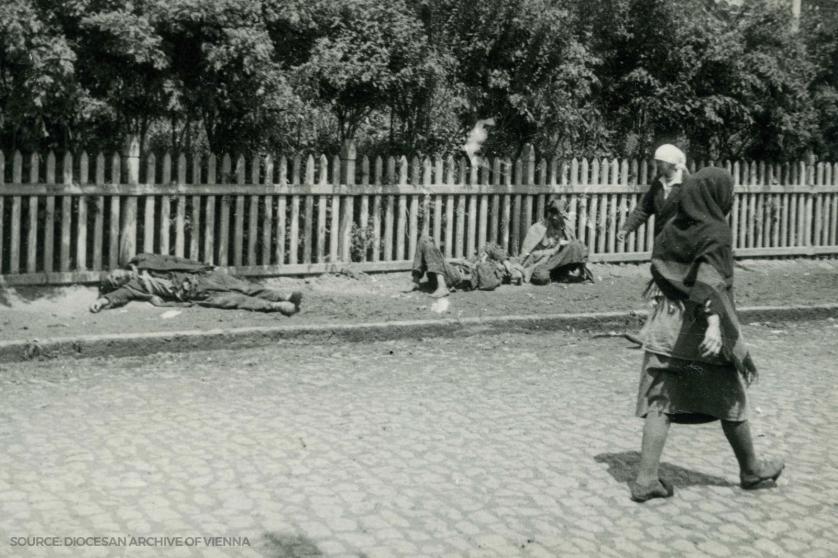
In today’s Vatnik Soup, we introduce Walter Duranty, a British-born journalist. He’s best known for winning a Pulitzer Prize for his Soviet reporting, and for denying the Holodomor while millions of Ukrainians starved.
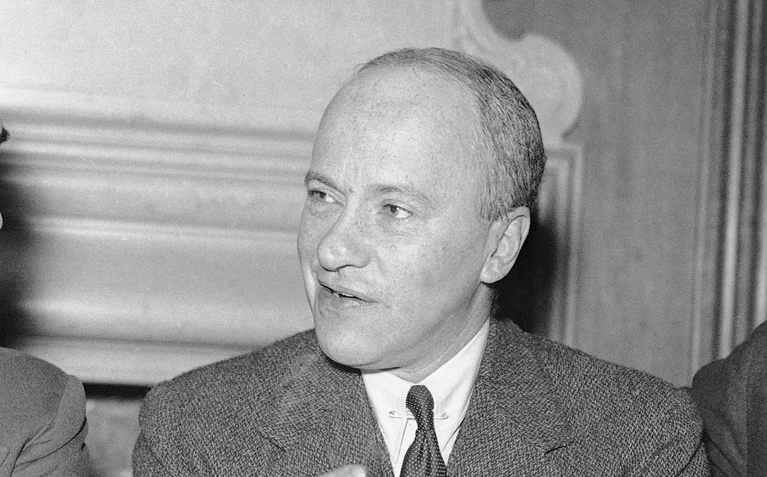
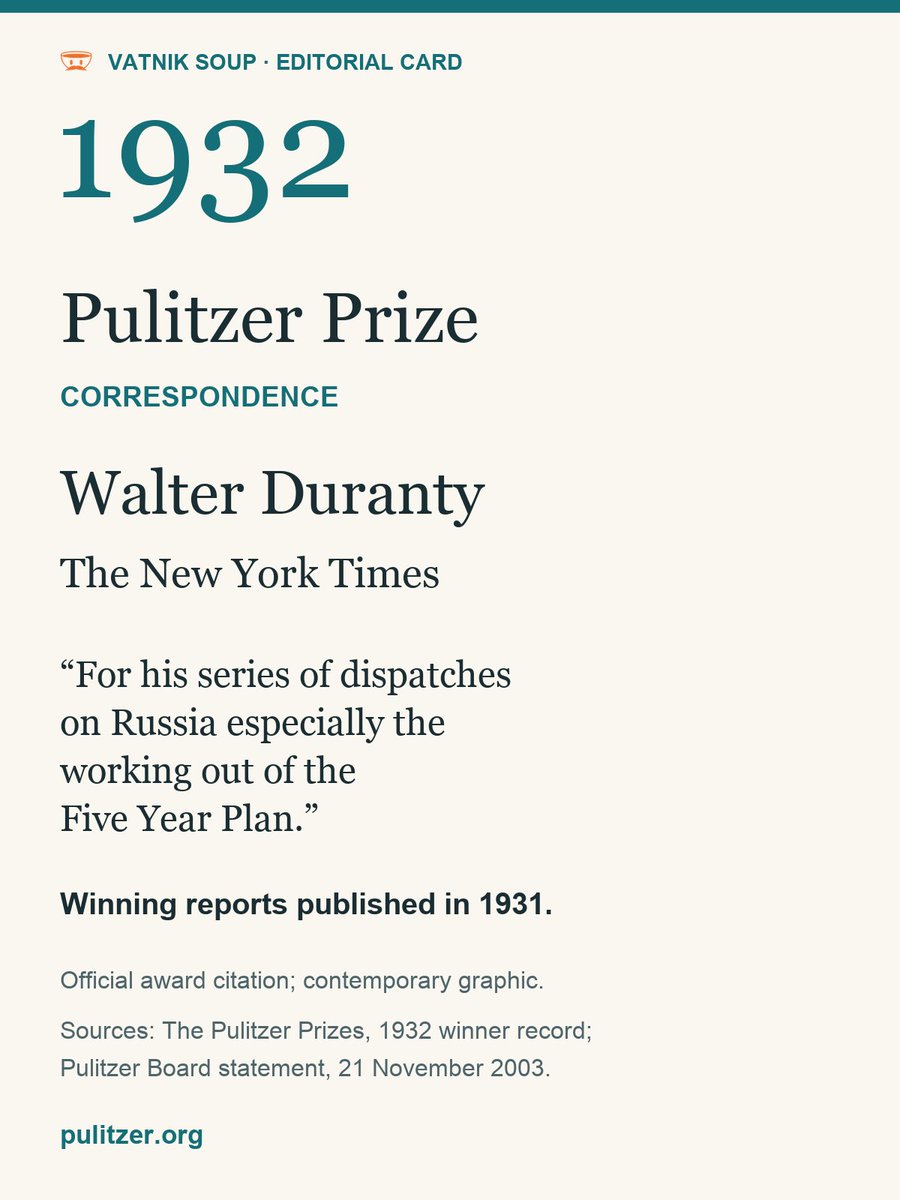
Born in Liverpool in 1884 and educated at Cambridge, he became The New York Times’s Moscow correspondent. His 1932 Pulitzer rewarded reporting published in 1931.
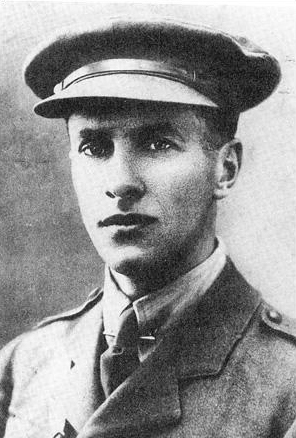
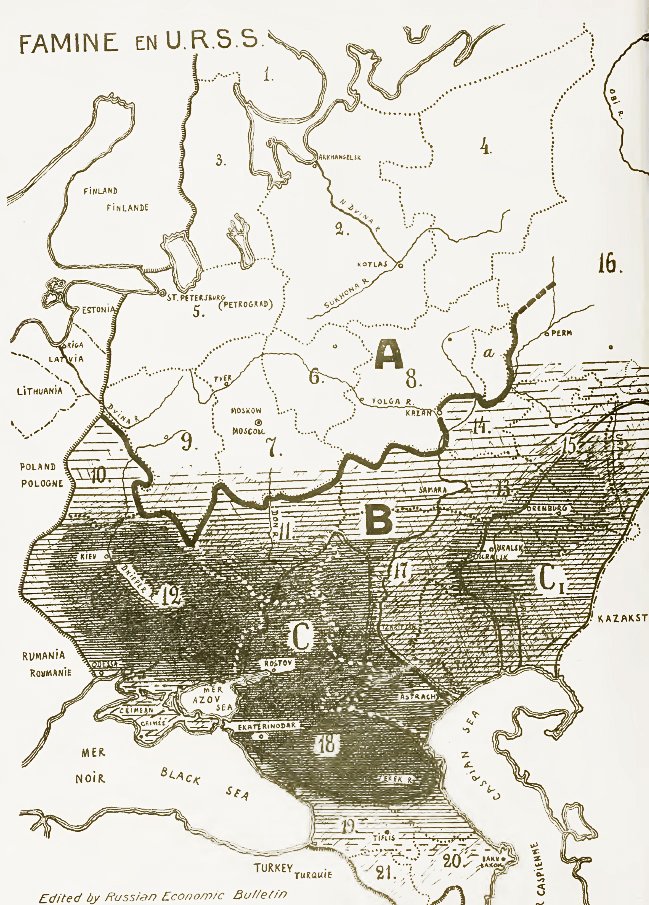
Ukraine’s 1932 harvest could have averted famine, but Stalin’s regime seized food and blacklisted villages. On 22 January 1933, Stalin and Molotov ordered peasants fleeing Ukraine and the North Caucasus to be stopped and returned.
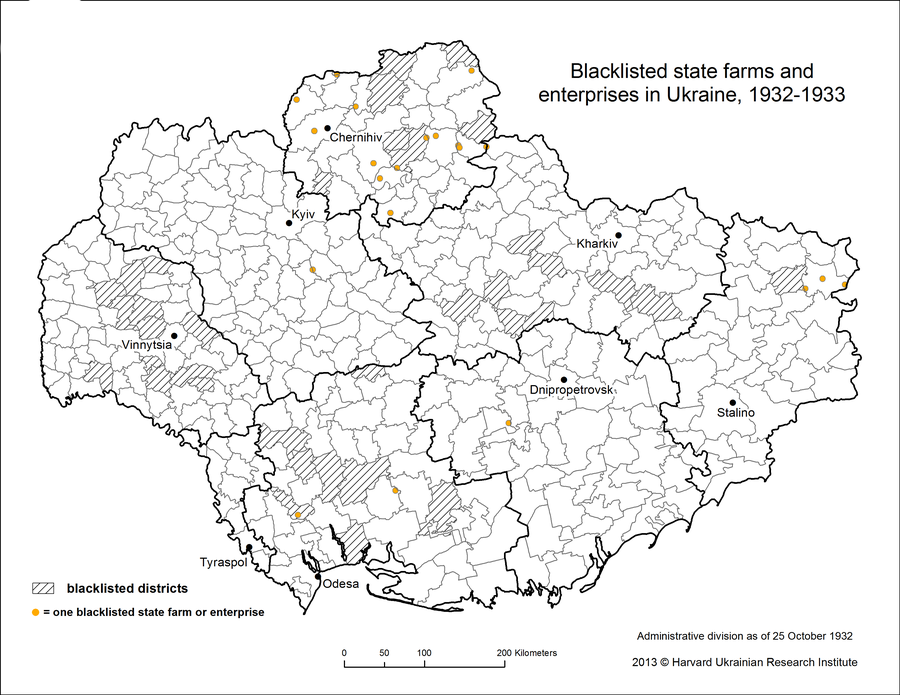
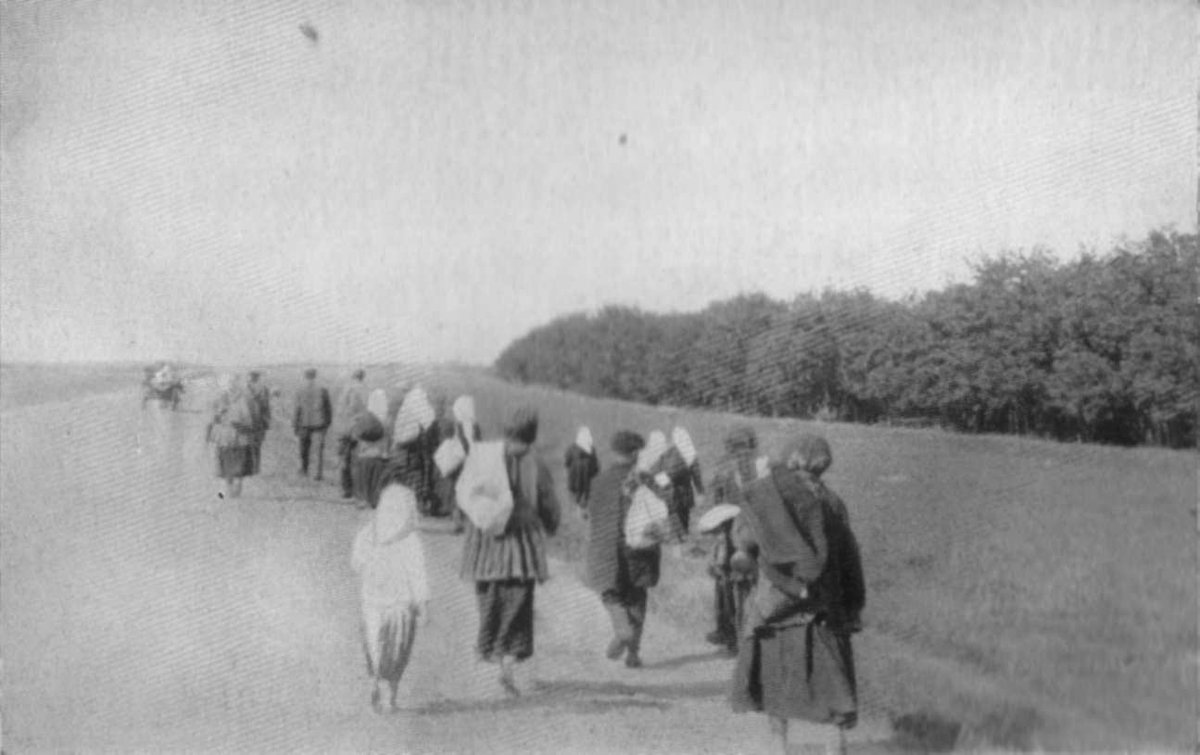
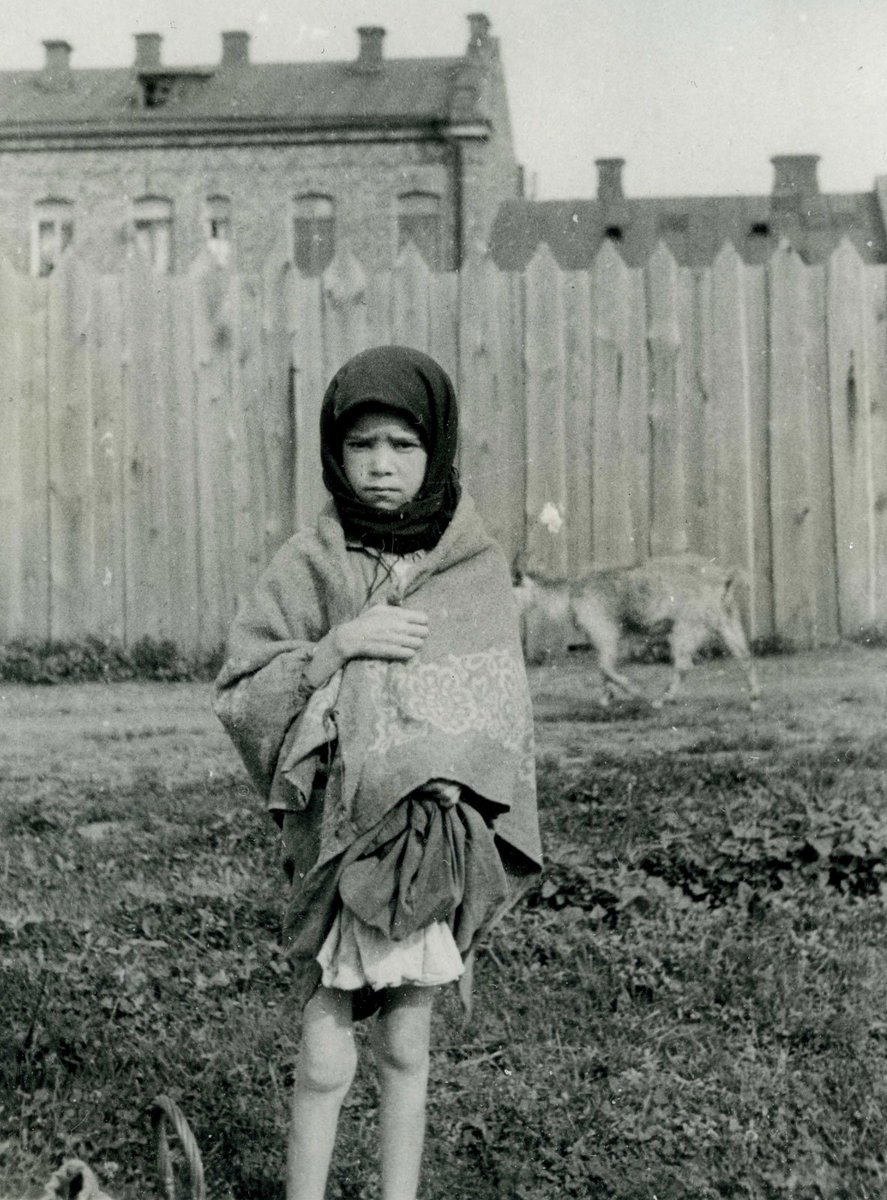
The Holodomor was deliberate genocide against Ukrainians. Starvation formed part of Stalin’s wider assault on Ukrainian intellectuals, churches and national institutions. Duranty helped make the regime’s violence acceptable abroad.
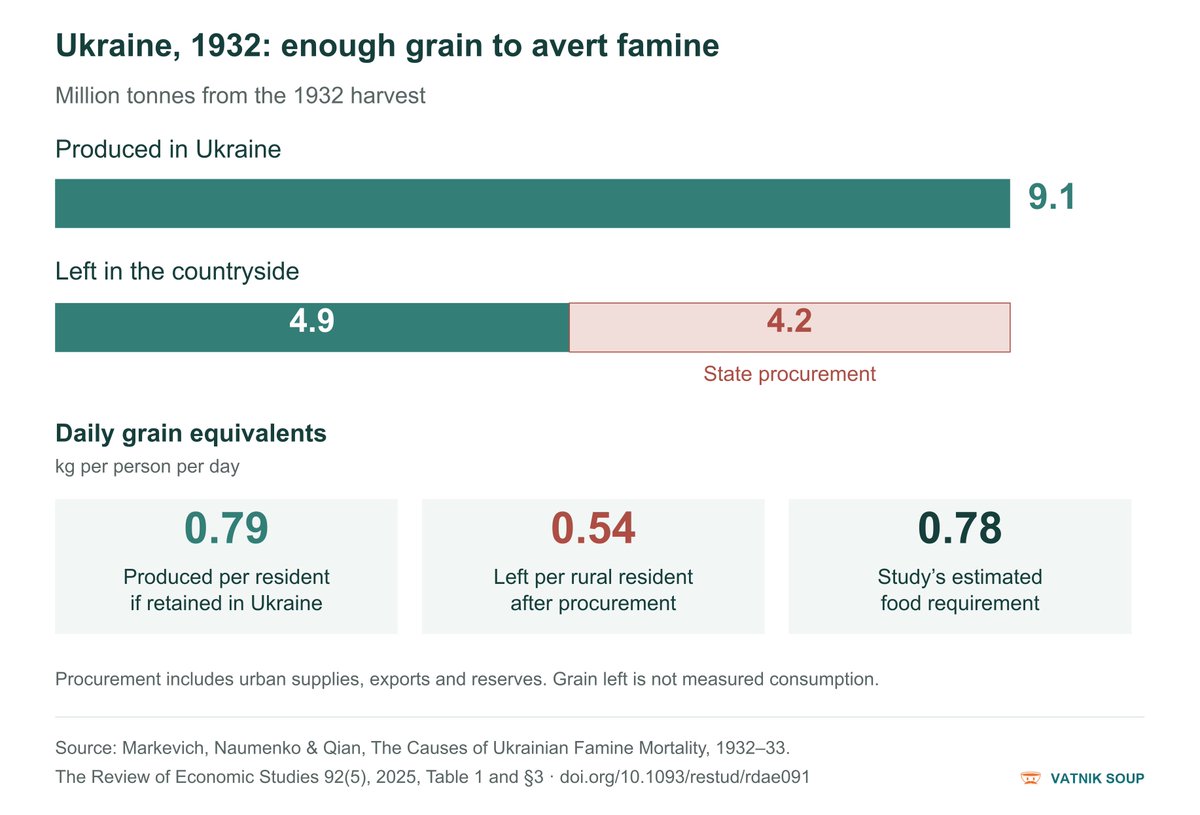
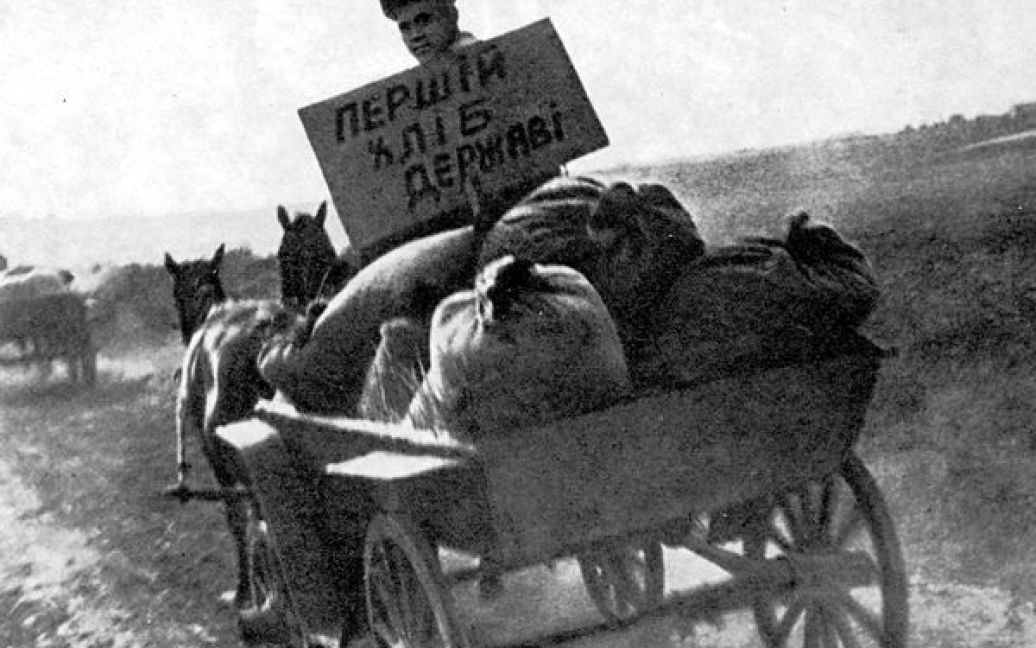
On 26 November 1932, Duranty reassured readers that Soviet citizens had merely “tightened their belts”. Starvation was presented as hardship people could endure while Soviet progress continued.
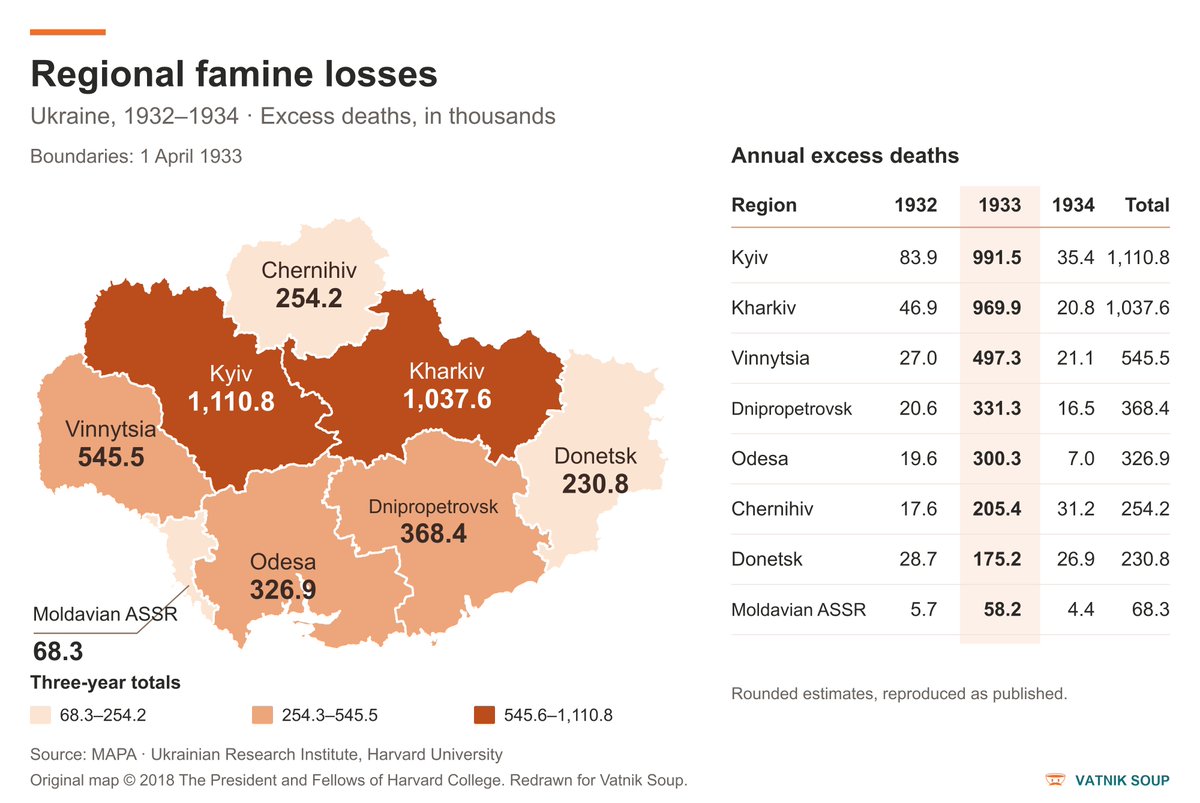
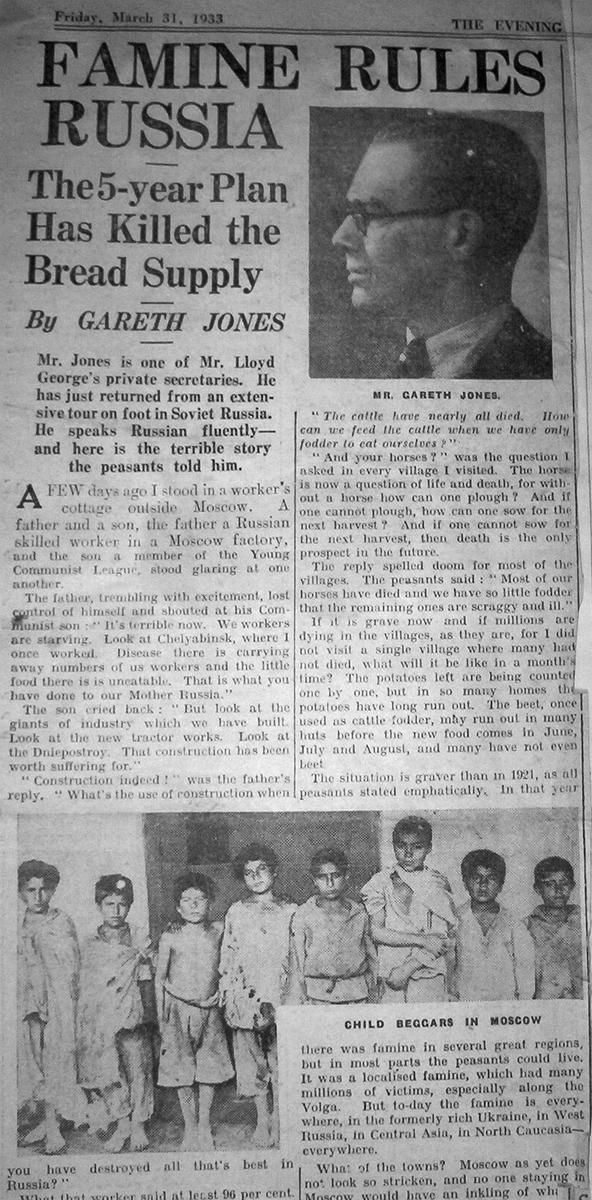
On 31 March 1933, Duranty dismissed Gareth Jones’s eyewitness reporting as a “scare story”, admitting deaths from malnutrition while denying famine. Jones later replied in the same newspaper, setting out his evidence and challenging censorship.
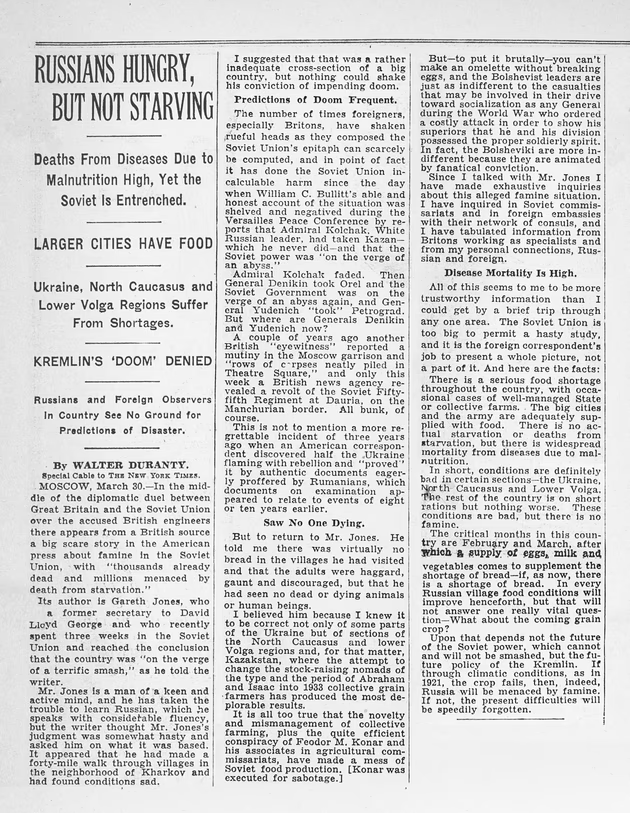
Duranty wrote: “But—to put it brutally—you can’t make an omelette without breaking eggs”. Denial and justification reinforced each other: minimise the suffering, then excuse it as the price of building socialism.
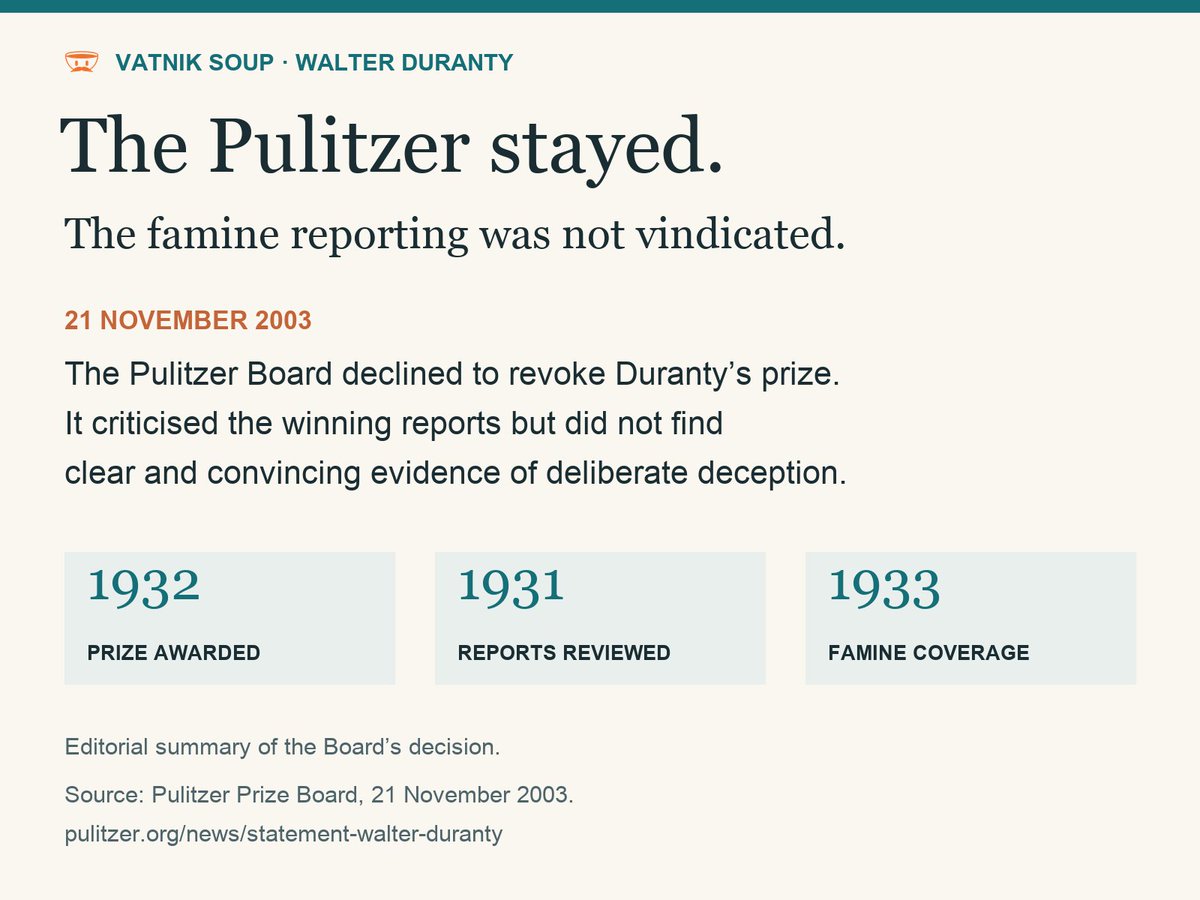
In 2003, the Pulitzer Board declined to revoke Duranty’s prize. It criticised the winning 1931 reports but found insufficient evidence of deliberate deception.
By the way, in September 1933, Duranty had privately told British diplomat William Strang that as many as 10 million people might have died, directly or indirectly, from lack of food across the Soviet Union.
By the way, in September 1933, Duranty had privately told British diplomat William Strang that as many as 10 million people might have died, directly or indirectly, from lack of food across the Soviet Union.
Our full dossier, “The Holodomor Genocide: Starvation and the Erasure of a Nation”, will be published on 28 November.
Truth matters. History matters. Memory matters.
At Vatnik Soup, we conduct rigorous research and debunk Kremlin propaganda used to justify aggression and occupation, including reminders from history to combat vatnik revisionism.
Support our work:
At Vatnik Soup, we conduct rigorous research and debunk Kremlin propaganda used to justify aggression and occupation, including reminders from history to combat vatnik revisionism.
Support our work:
 Fight Disinformation With Us: Support our Work | Vatnik Soup