
The Holodomor Genocide
Vatnik Soup, X Articles,
Today, on Holodomor Remembrance Day, we publish our first Historical Memory Dossier: The Holodomor Genocide: Starvation and the Erasure of a Nation, dedicated to the millions of Ukrainians who died in 1932–33 and to those who survived to bear witness.
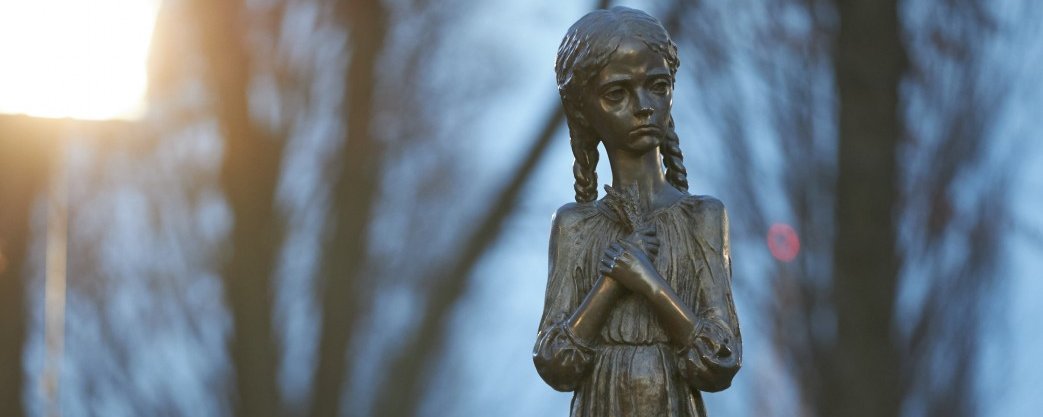
The Holodomor devastated Soviet Ukraine in 1932–33. Millions died because forcible grain procurement, food confiscations and restrictions on escape deprived households of the means to survive. In its scale, the Holodomor ranks among the greatest catastrophes of the twentieth century.
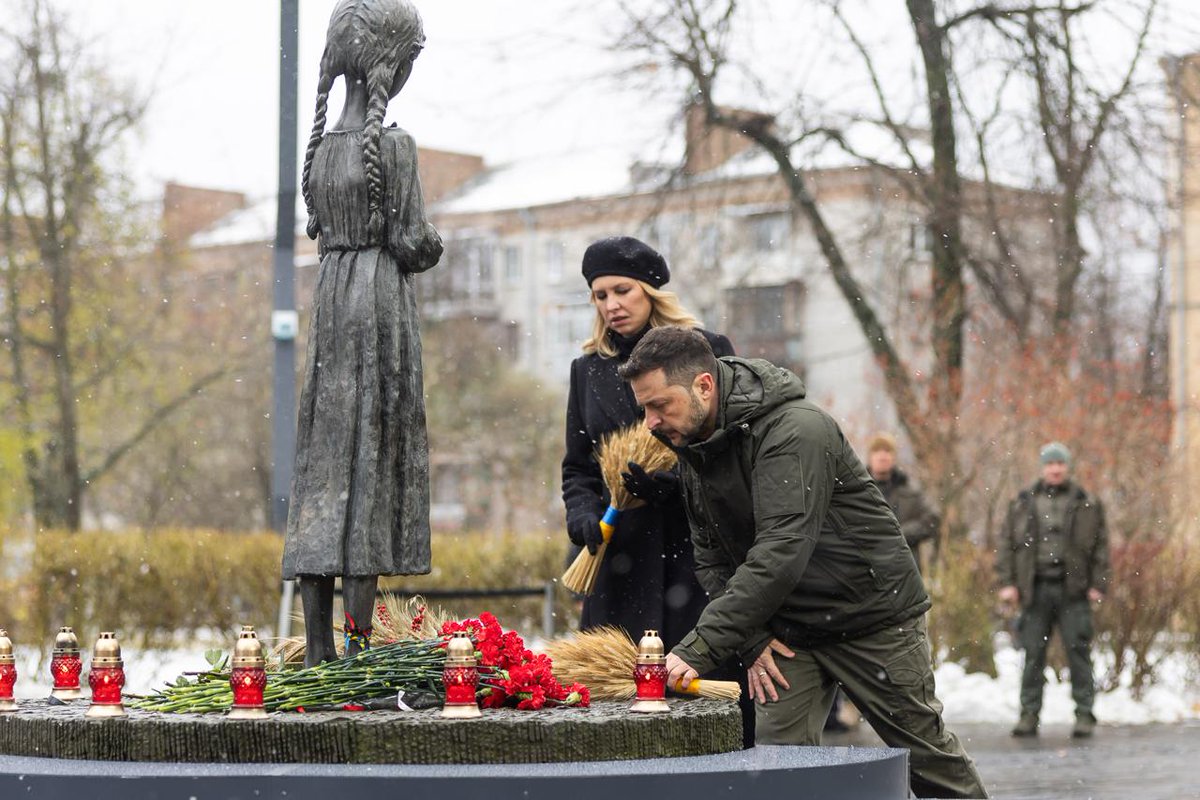
On Holodomor Remembrance Day, Ukrainians honour the millions killed by starvation under Stalin and those who survived to bear witness. They remember while defending their country against another Russian invasion—and while the invading power attacks the memory of the dead.
In October 2022, occupation authorities dismantled the Holodomor memorial in Mariupol. In July 2024, they destroyed monuments to Holodomor victims and victims of Stalinist repression in occupied Luhansk. Moscow still contests Ukrainians’ right to name the crime committed against them.
The Holodomor was genocide. Its history shows how control over food became an instrument for destroying Ukrainian communities, and how that destruction formed part of a wider assault on Ukrainian nationhood and statehood.
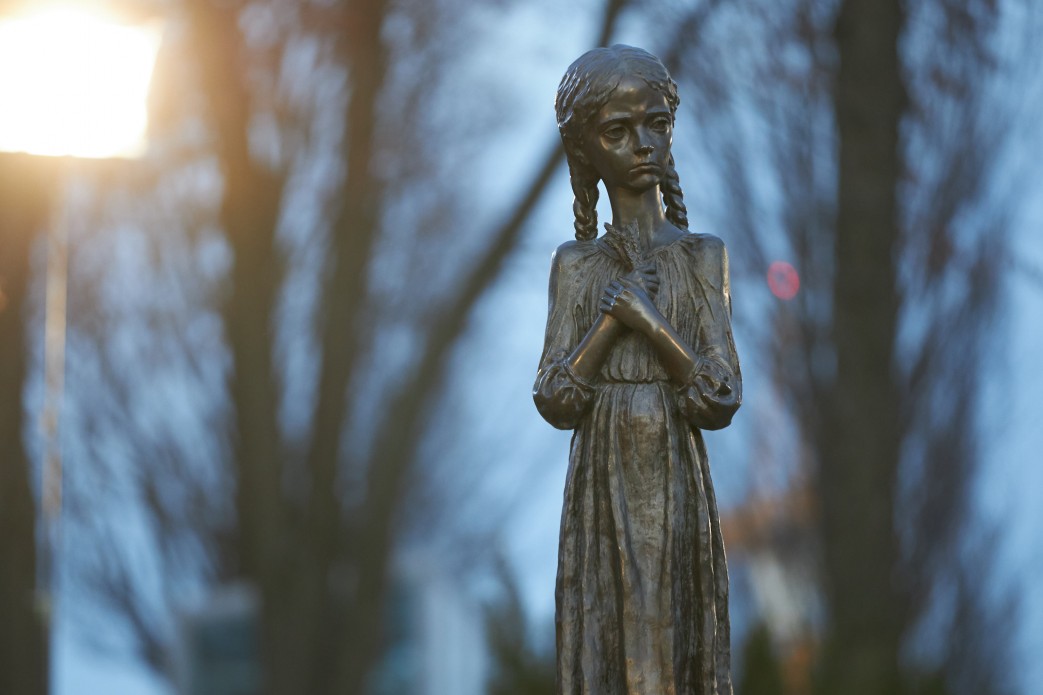
Taking food, closing escape
A demographic reconstruction estimates approximately 3.9 million excess deaths in Soviet Ukraine during 1932–34, almost nine tenths in 1933. That figure counts deaths above the expected level and excludes lost births. Behind it were children, parents and grandparents, families broken apart, and villages losing the people who sustained them.
Forced collectivisation placed farmers and their harvests under state command. Procurement demands, food confiscations and punitive measures deprived households of the means to survive. The state controlled what could be taken, what could be traded and who could move elsewhere in search of food.
By June 1932, senior Ukrainian officials Hryhorii Petrovsky and Vlas Chubar had warned Stalin and Molotov about starvation and excessive procurement. Chubar described the removal of grain and seed reserves. Stalin dismissed their appeals; the pressure continued.
The law of 7 August 1932 prescribed execution, or at least ten years’ imprisonment under mitigating circumstances, for theft of collective and cooperative property. The state’s claim over food acquired extraordinary punitive force. People facing hunger risked severe punishment for taking what the authorities claimed as socialist property.
The blacklisting decree of 6 December 1932 ordered goods withdrawn from named villages, trade suspended and credit stopped. It punished whole communities by closing access to supplies. Later that month, collective farms below procurement targets were ordered to surrender all grain reserves, including sowing seed.
Then, on 22 January 1933, Stalin and Molotov ordered measures to prevent peasants leaving Ukraine and the North Caucasus. Those who escaped were to be intercepted and returned after screening. People deprived of food were also prevented from reaching it elsewhere.
The leadership knew people were starving. It continued punitive extraction and closed routes of survival. Officials had the organisation to seize reserves, enforce blacklists and stop movement. That capacity served coercion while families died.
These measures reinforced one another. Confiscation removed food already available; blacklisting obstructed its purchase; restrictions on flight prevented people reaching other supplies. Taking sowing seed also consumed the means of producing another harvest. The authorities extended their command over survival while warnings about the consequences were already reaching the top of the regime.
The national target
Stalin’s own correspondence connects procurement to the political control of Ukraine. In his letter to Kaganovich of 11 August 1932, he acknowledged Ukrainian party committees’ objections to unrealistic grain demands, invoked nationalists and Polish agents, and warned: “we will lose Ukraine.”
He treated objections to procurement as a threat to Soviet possession of the republic. Economic failure and resistance became evidence of national disloyalty. The people reporting the consequences of policy could themselves be recast as enemies.
The December 1932 resolutions joined grain procurement to nationality policy. In the Kuban, repression accompanied the reversal of Ukrainisation. Other Soviet regions were ordered to replace Ukrainian-language publications and prepare schools for Russian-language instruction. Ukrainian communities beyond the republic’s borders were caught within the same attack on national life.
The pattern also appears in quantitative research. Andrei Markevich, Natalya Naumenko and Nancy Qian’s study in The Review of Economic Studies finds that Ukraine produced enough food in 1932 to avoid famine. Mortality was higher in regions with larger pre-famine ethnic Ukrainian population shares, including outside Soviet Ukraine. Where Ukrainian shares were larger, procurement targets and actual collections were higher, while less grain remained after procurement. The authors conclude that Soviet policy systematically discriminated against ethnic Ukrainians.
Ukraine’s estimated grain harvest was 9.1 million tonnes. The state procured 4.2 million, leaving about 4.9 million in the countryside. These figures distinguish production from what remained after state procurement; grain left is not a measure of actual consumption.
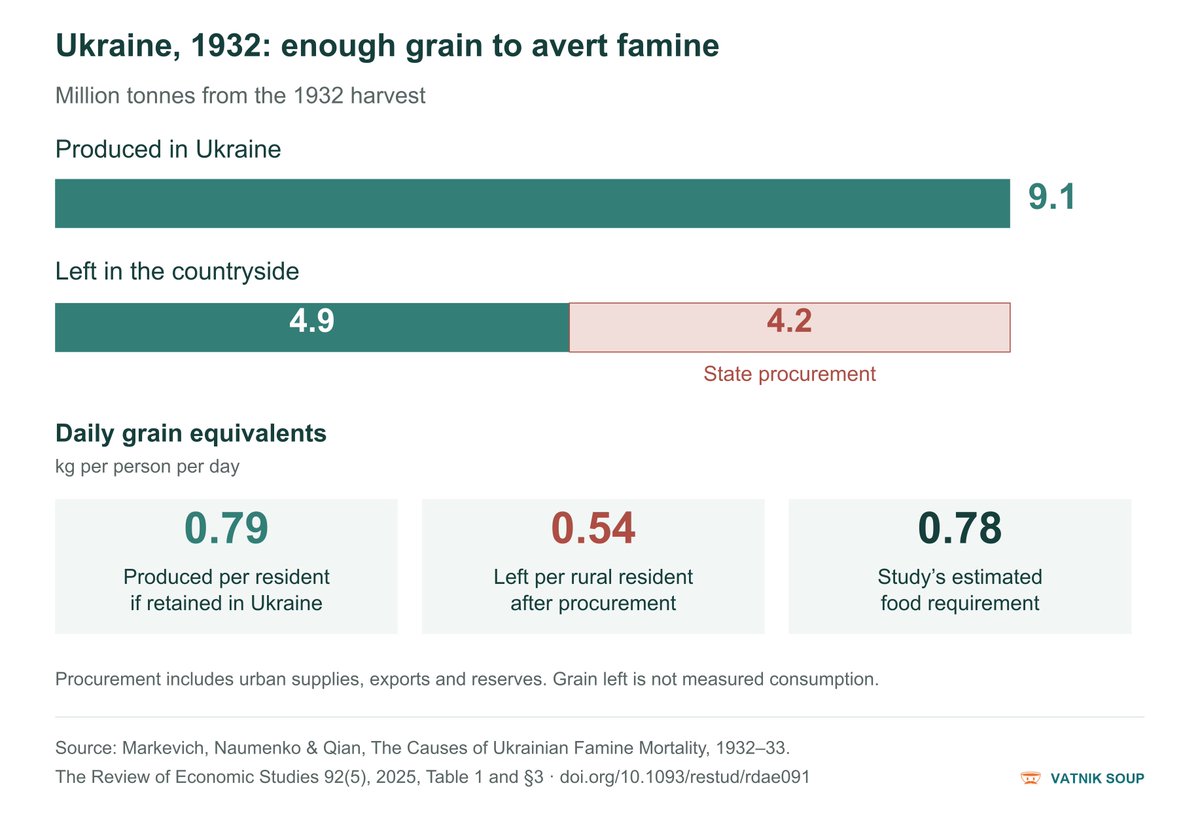
Food was being taken through a state apparatus whose own plans bore an anti-Ukrainian bias. Warnings, discriminatory extraction, blocked escape and attacks on Ukrainian institutions form a connected record of decisions.
Genocide includes deliberately imposing conditions of life calculated to bring about a national group’s physical destruction, wholly or partly. Hunger became a means of national destruction: people were deprived of survival while the institutions and communities sustaining Ukrainian identity were attacked. The destruction of the countryside struck at families, language, religious practice and the transmission of national life between generations.
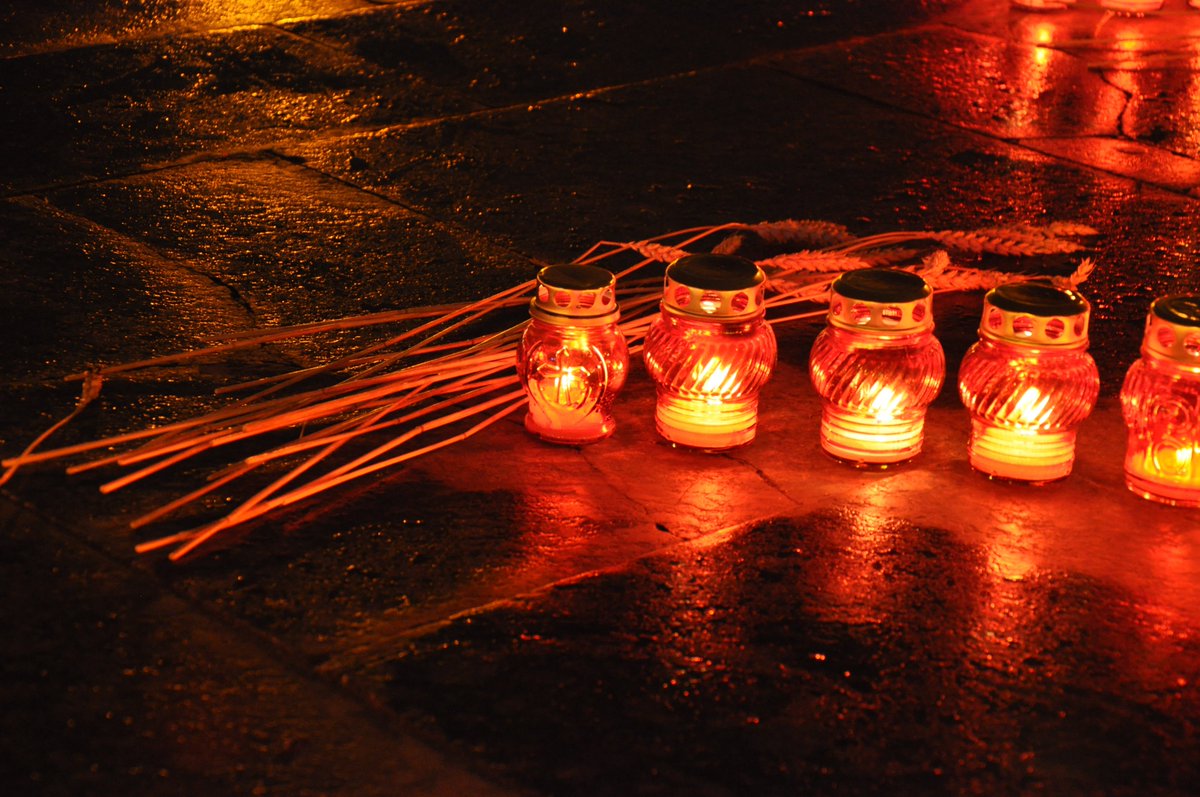
A nation whose future Moscow claimed
Ukraine’s struggle for independence long preceded 1991. The Ukrainian People’s Republic emerged after the Russian Empire collapsed and proclaimed independence in January 1918. Bolshevik conquest defeated its independent republican forces. Much of Ukraine came under a Soviet republic subordinated to Moscow.
The earlier empire had already restricted Ukrainian public life through the Valuev Circular and Ems Ukase, obstructing publishing, education and cultural expression. Soviet Ukrainisation in the 1920s expanded schools, literature and institutions, but Stalin’s regime reversed that opening and persecuted those who had built a national culture.
The generation remembered as the “Executed Renaissance” included writers and artists imprisoned or killed. Les Kurbas, Mykola Kulish and Valerian Pidmohylny were among the Ukrainian cultural figures executed at Sandarmokh in 1937. Destroying people who created and transmitted culture narrowed a nation’s ability to reproduce its own public life.
Raphael Lemkin, who coined the term genocide, understood this wider assault. His 1953 analysis of Soviet genocide in Ukraine connected the destruction of the peasantry with attacks on intellectuals, churches and national institutions. Starvation belonged within an effort to break the community’s capacity to continue as a nation.
Control over institutions continued after the famine. In western Ukraine, Soviet authorities imprisoned the Ukrainian Greek-Catholic hierarchy and organised the 1946 assembly in Lviv that proclaimed its incorporation into the Russian Orthodox Church. An independent Ukrainian religious institution was forcibly subordinated to a hierarchy controlled from Moscow.
Denial served the perpetrators
The struggle over evidence began while people were dying. Soviet censorship concealed the famine and punished witnesses, while Gareth Jones, Malcolm Muggeridge and others brought reports of starvation abroad. Foreign diplomats also received evidence. Knowledge existed; governments and readers made choices about what to do with it.
Walter Duranty, the Pulitzer-winning New York Times correspondent, gave Soviet reassurance the authority of a prominent Western newspaper. His “Russians Hungry, But Not Starving” minimised the catastrophe while presenting suffering as a cost of Soviet transformation. A regime taking food from its victims could find foreign commentators willing to explain why its achievements mattered more.
Duranty was a proto-vatnik: his reporting helped make the regime’s account respectable and its victims easier to disregard. Denial, minimisation and justification could work together. Even readers who accepted that people were suffering could be persuaded to tolerate it.
For decades, survivors, families and diaspora communities preserved testimony that Soviet public history excluded. Their memories challenged the state’s claim to decide what had happened. The recovery of that history became part of Ukrainians’ recovery of the right to speak for themselves.
The assault continues
Ukraine restored its independence in 1991. Russia attacked that statehood in 2014 through the seizure of Crimea and military intervention in the Donbas, then expanded the war with its full-scale invasion in February 2022. The power to govern Ukrainian territory and determine Ukraine’s future was again being claimed through force.
Putin’s 2021 essay on Russians and Ukrainians made acceptable Ukrainian sovereignty conditional on partnership with Russia. His invasion imposed that claim through military force. Ukrainians’ right to choose their own government, institutions and future was treated as something Moscow could override.
In April 2022, the state-owned agency RIA Novosti published Timofey Sergeytsev’s “What Russia Should Do with Ukraine”. It called for repression in culture and education, the liquidation of the ruling elite and the removal of sovereignty for a generation. “Denazification” would entail “de-Ukrainianisation”. Ukrainian independence itself became the supposed offence.
Occupation turns those claims into institutions. Investigations of schools under Russian occupation document imposed Russian curricula, suppression of Ukrainian education and coercion against teachers and parents. Children are taught a history that justifies the conquest of their country while their access to its own language and history is narrowed.
The removal of children reaches into the next generation. In March 2026, the UN Commission of Inquiry reported that 80% of the children in its verified deportation and transfer cases had not returned. Russian authorities arranged long-term placements, granted Russian citizenship and entered children into adoption databases. The Commission found crimes against humanity. Separation from family and country became organised incorporation into Russian life.
These policies reach beyond control of territory. Schools transmit a state-approved identity; imposed citizenship assigns national belonging; the removal of children separates them from the families and communities through which Ukrainian life would otherwise continue. Occupation seeks the power to shape the next generation’s loyalties and understanding of its own origins.
Food also remains an instrument of power: stolen harvests, attacks on ports and agricultural infrastructure, and pressure on export routes. In June 2022, RT editor-in-chief Margarita Simonyan told Putin, smiling, “All our hope rests on famine”. She hoped hunger would force the West to lift sanctions and befriend Russia.
Remembrance is an assertion of freedom
Moscow’s attacks on Holodomor memory belong to this struggle over Ukrainian existence. In March 2026, Russia’s Foreign Ministry circulated a passage describing a “fabricated Holodomor”. Occupation authorities remove memorials while Russian public spaces again honour Stalin. Victims are denied a place in history as the ruler responsible returns to public celebration.
The connection across this history is power over Ukrainian national life: who may govern, whose language and institutions may survive, who controls the harvest, and who gets to tell the story. Denying Ukrainians that authority has enabled coercion over their land, labour, families and future.
Remembering the Holodomor honours those whose lives were taken and those who carried their testimony forward. It restores names and experiences that the state tried to erase. Today’s Ukrainians defend the same right to live, to live freely, and to determine their own future.
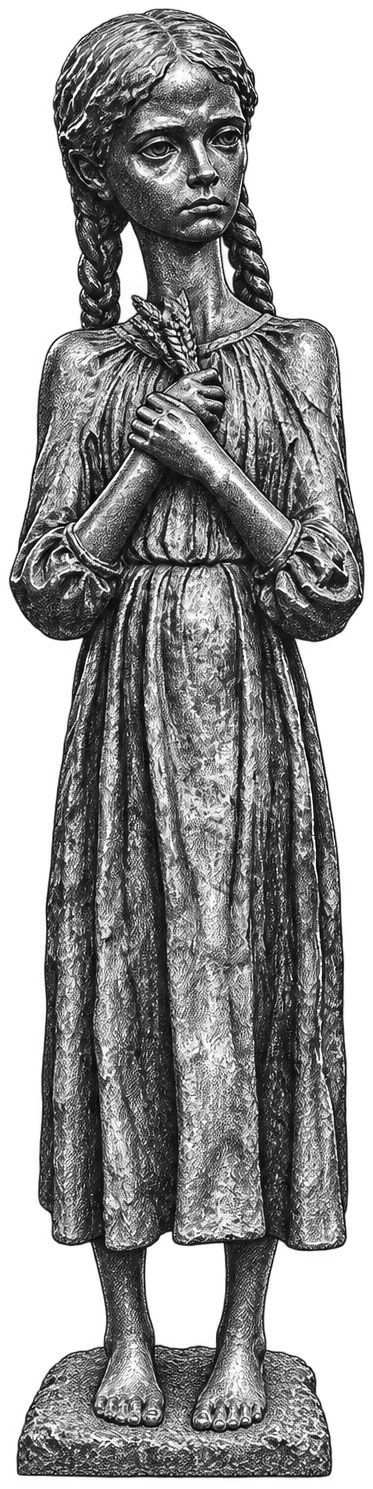
Read the full dossier: The Holodomor Genocide: Starvation and the Erasure of a Nation.
Truth matters. History matters. Memory matters.
At Vatnik Soup, we conduct rigorous research and debunk Kremlin propaganda used to justify aggression and occupation, including reminders from history to combat vatnik revisionism.